


February 27, 2024 by Alexandria Dental Spa

Missing molars can significantly impact your ability to chew comfortably and speak clearly. Fortunately, dental implants offer a long-lasting solution to restore both the function and aesthetics of your smile. However, traditional implants might not always be the ideal choice, especially for molars. This is where mini dental implants (MDIs) come in.
What are the Mini Dental Implants (MDIs)?

MDIs are smaller versions of traditional dental implants, typically measuring around 2.5 to 3.3 mm in diameter compared to the standard 3.5 to 4.5 mm. Their smaller size offers several advantages, including:
- Less invasive procedure: MDIs require a smaller incision and minimal bone modification, leading to faster healing and reduced discomfort.
- Fewer appointments: Often, MDI placement can be completed in a single visit, while traditional implants might require multiple appointments across several months.
- Cost-effective: Due to the simpler procedure and smaller materials used, MDIs can be slightly less expensive than traditional implants.
However, it’s crucial to understand that MDIs also come with limitations, particularly when considering them for molars.
Advantages and Disadvantages of MDIs for Molars
Advantages:
- Suitable for limited bone availability: The smaller size of MDIs makes them a viable option for individuals with insufficient jawbone volume, which is common in the molar region due to bone resorption after tooth loss.
- Faster recovery: As mentioned earlier, the minimally invasive nature of the procedure leads to faster healing and a quicker return to normal activities.
Disadvantages:
- Limited chewing force: MDIs are narrower and shorter than traditional implants, making them less suitable for withstanding the high biting forces molars are subjected to during chewing. This can increase the risk of implant failure in the long run.
- Not suitable for all cases: Not all patients qualify for MDIs in molars. Factors like bone quality, bite strength, and the number of missing teeth influence their suitability.
- Potentially shorter lifespan: Due to their smaller size and lower load-bearing capacity, MDIs might have a shorter lifespan compared to traditional implants.
The Procedure of Placing MDIs for Molars
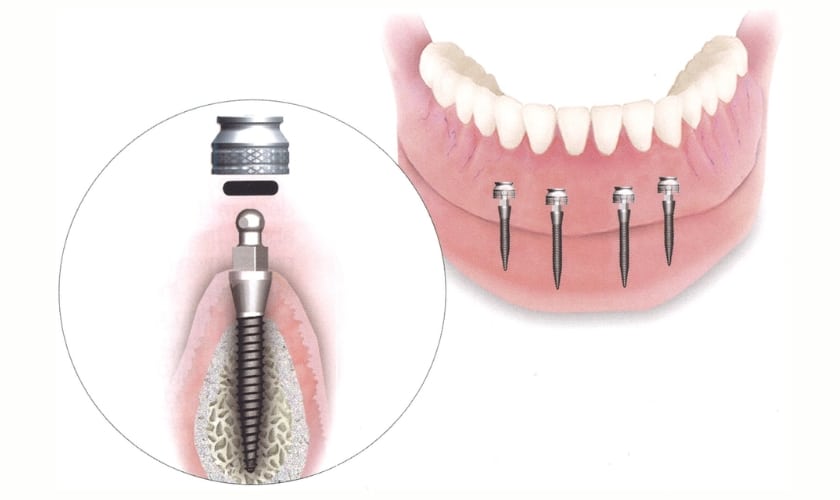
While the specific details may vary depending on the dentist, here’s a general overview of the MDI placement process:
- Consultation and planning: During the initial consultation, your dentist at Alexandria Dental Spa will discuss your medical history, perform a thorough dental examination, and assess your jawbone health using X-rays or CT scans. Based on this information, they will determine if MDIs are suitable for replacing your molar(s).
- Local anesthesia: A local anesthetic will be administered to numb the area around the implant site.
- Implant placement: A small incision will be made in the gum tissue, and the MDI will be placed into the jawbone using a special surgical guide.
- Abutment attachment: After a healing period, usually a few months, a small connecting piece called an abutment will be attached to the MDI.
- Crown placement: Finally, a custom-made dental crown will be attached to the abutment, restoring the form and function of your molar.
Care and Maintenance for MDIs in Molars
Maintaining good oral hygiene is crucial for the long-term success of your MDIs. This includes:
- Brushing your teeth twice daily and flossing once a day.
- Using a soft-bristled toothbrush and gentle flossing techniques to avoid damaging the implants.
- Schedule regular dental checkups and cleanings to monitor the health of your MDIs and surrounding tissues.
Candidates for MDIs in Molars
While MDIs offer certain advantages, they are not suitable for everyone considering molar replacement. Here are some factors determining your candidacy:
- Bone quality: Patients with adequate bone density in the molar region are more likely to be good candidates for MDIs.
- Bite strength: Individuals with moderate to low bite forces might be suitable for MDIs, while those with strong bite forces might require traditional implants for better long-term success.
- Overall health: Underlying medical conditions like uncontrolled diabetes or a compromised immune system can affect healing and increase the risk of implant failure.
Comparing MDIs to Traditional Dental Implants for Molars

Here’s a table outlining the key differences between MDIs and traditional implants specifically for molars:
| Feature | Mini Dental Implants (MDIs) | Traditional Dental Implants |
| Size | 2.5-3.3 mm | 3.5-4.5 mm |
| Procedure | Less invasive | More invasive |
| Appointments | Often one appointment | Multiple appointments |
Cost Comparison between Traditional and Mini Dental Implants for Molars
The cost of both MDIs and traditional implants can vary depending on several factors, including:
- Geographic location
- Dentist’s experience and expertise
- Complexity of the procedure
- Materials used
While MDIs might be slightly less expensive than traditional implants due to the simpler procedure and smaller materials used, it’s important to consider the potential need for additional procedures like bone grafting or future replacement of the mini dental implants due to their shorter lifespan. It’s crucial to discuss the cost breakdown and long-term considerations with your dentist to make an informed decision.
Conclusion
MDIs offer a minimally invasive and potentially cost-effective solution for replacing missing molars, especially in situations with limited jawbone availability. However, their ability to withstand the high biting forces of molars is a crucial limitation. Consulting with a qualified dentist at Alexandria Dental Spa is essential to determining if MDIs are the right choice for you. They will thoroughly evaluate your individual needs and recommend the most appropriate treatment option for restoring your smile and regaining optimal chewing function.
FAQs:
1. Do MDIs hurt?
The procedure itself is typically performed under local anesthesia, minimizing discomfort. You might experience some soreness or swelling after the procedure, which can be managed with over-the-counter pain medication.
2. How long do MDIs last?
With proper care and maintenance, MDIs can last for several years, although generally not as long as traditional implants. The lifespan can vary depending on individual factors like bite strength and oral hygiene habits.
3. Can I eat normally with MDIs in my molars?
While MDIs can restore chewing function, it’s essential to be mindful of your bite strength and avoid hard or chewy foods that could put excessive strain on the implants.
4. What are the alternatives to MDIs for molars?
Traditional dental implants or bridges, are alternative options for replacing missing molars. Each option has its own set of advantages and disadvantages, and your dentist will help you determine the most suitable solution based on your individual case.
5. Where can I find a dentist experienced in placing MDIs?
Alexandria Dental Spa is equipped with experienced and qualified dentists who can assess your specific needs and recommend the best treatment option for replacing your molars, whether it be MDIs, traditional implants, or other alternatives.