


September 28, 2024 by Alexandria Dental Spa
You may find yourself in a bit of a pickle when it comes to restoring your smile, pondering over choosing between implants and bridges. Both options have their unique benefits, but making the right choice can significantly impact your oral health and confidence. Let’s dive into the nitty-gritty of these two popular dental solutions to help you make an informed decision!
What Is the Difference Between Implants and Bridges?
Before we get into the decision-making process of choosing between implants and bridges, it’s essential to understand what each option entails.
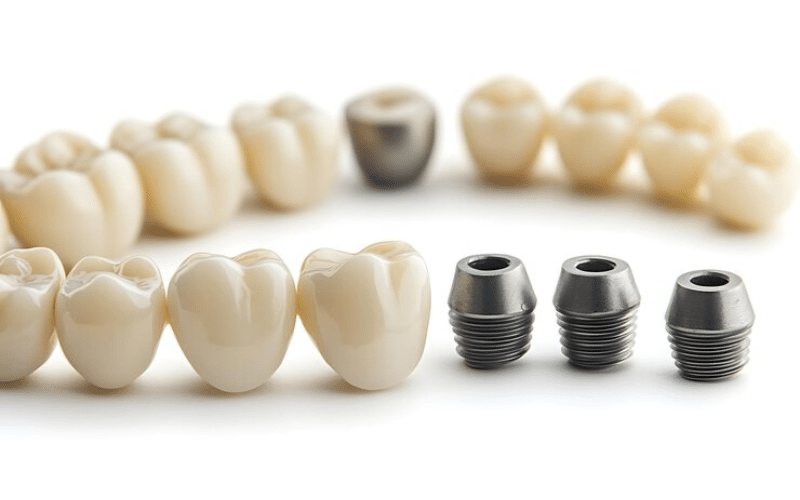
- Dental Implants: These are titanium posts that are surgically placed into your jawbone. They serve as artificial roots, providing a stable foundation for replacement teeth or crowns. Implants are known for their durability and natural look, making them a popular choice for those seeking a long-lasting solution.
- Dental Bridges: A bridge is a dental appliance that fills the gap created by one or more missing teeth. It typically consists of two crowns placed on the adjacent teeth (abutment teeth) with a false tooth (or teeth) in between. Unlike implants, bridges do not require surgery, making them a less invasive option.
The Pros and Cons
Weighing the pros and cons of each option is crucial when choosing between implants and bridges. Here’s a breakdown to guide your decision-making:
Pros of Dental Implants
- Longevity: With proper care, implants can last a lifetime, making them a worthy investment for your smile.
- Bone Health: Implants integrate with your jawbone, helping to prevent bone loss and maintain facial structure.
- Natural Appearance: Implants look and function like natural teeth, providing you with the confidence to smile freely.
- No Impact on Adjacent Teeth: Since implants don’t require altering neighboring teeth, your overall oral health remains intact.
Cons of Dental Implants
- Surgical Procedure: Getting implants involves surgery, which may deter some individuals due to the associated risks and recovery time.
- Cost: Implants can be more expensive upfront compared to bridges, although they may be more cost-effective in the long run.
- Time-Consuming: The entire process, from placement to final restoration, can take several months.
Pros of Dental Bridges
- Quick Fix: Bridges can usually be completed in just a few visits, providing a faster solution to tooth loss.
- Less Invasive: Unlike implants, bridges don’t require surgery, making them a more straightforward option for many patients.
- Cost-Effective: In the short term, bridges are generally less expensive than implants.
Cons of Dental Bridges
- Limited Lifespan: Bridges typically last 5 to 15 years, depending on care and wear, which means they might need to be replaced sooner than implants.
- Impact on Adjacent Teeth: Bridges require reshaping the neighboring teeth, which can potentially compromise their health.
- No Bone Preservation: Bridges do not stimulate the jawbone, which can lead to bone loss over time.
Making the Decision: What’s Right for You?
Now that you’re equipped with the basics, let’s delve deeper into choosing between implants and bridges based on your unique circumstances.
1. Consider Your Oral Health
Before making a decision, it’s essential to evaluate your oral health. If you have healthy adjacent teeth and are not looking to undergo surgery, a bridge might be the ideal solution. However, if you’re missing significant bone or want a long-lasting solution, implants may be the way to go.
2. Think About Your Budget
While implants tend to be pricier, they are a long-term investment that may save you money in the future due to their durability. On the other hand, if you’re looking for a more affordable, short-term solution, bridges can provide immediate results without breaking the bank.
3. Evaluate Your Lifestyle
Consider your lifestyle and preferences. If you’re active and want a solution that feels as close to natural teeth as possible, implants might be your best bet. Conversely, if you prefer a quick fix without the surgical aspect, a bridge could suit your needs better.
It’s essential to consider your oral health, budget, and lifestyle when choosing between implants and bridges. Both options have unique benefits and drawbacks, and the right choice will ultimately depend on your individual needs and preferences. If you’re still unsure, consulting with a dental professional for getting dental implants in Alexandria can provide valuable insights and help you make an informed decision.
FAQs About Implants and Bridges
Q: How do I know which option is right for me?
A: The best way to determine the right choice is to consult with a dental professional. They can assess your oral health and discuss your preferences to help guide your decision.
Q: Are there any special care instructions for implants or bridges?
A: Both options require regular dental care, including brushing, flossing, and routine dental check-ups. Implants may need additional attention to ensure the surrounding gum tissue remains healthy.
Q: Can I get a bridge if I’m missing a lot of teeth?
A: Yes, bridges can be designed to replace multiple missing teeth, but your dentist will determine the best approach based on your specific situation.
Q: Do implants require special maintenance?
A: Implants do not require special maintenance beyond regular oral hygiene practices. However, it’s important to visit your dentist for routine check-ups to ensure the implant remains healthy.