


August 10, 2023 by Alexandria Dental Spa
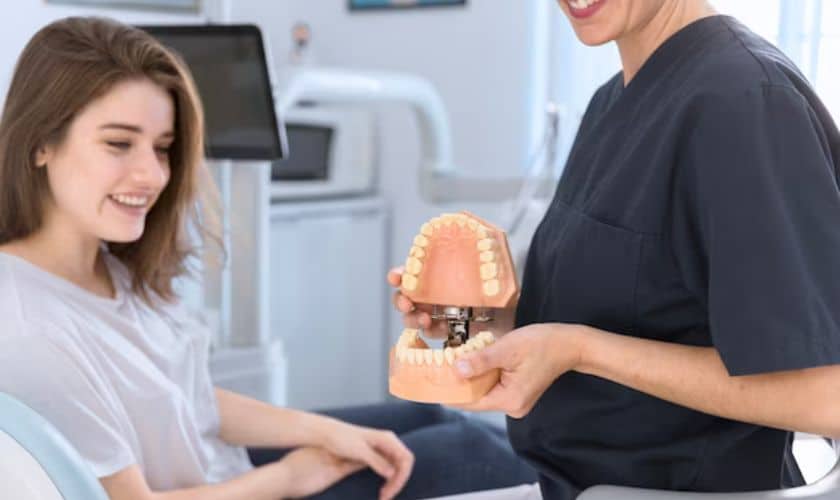
A captivating smile can speak volumes without saying a word. However, dental imperfections like chipped, cracked, or discolored teeth can sometimes hinder that confident expression. This is where dental crowns come to the rescue. Dental crowns are a remarkable dental solution that not only restores the functionality of damaged teeth but also enhances their aesthetic appeal. In this comprehensive guide, we will delve into the world of dental crowns, exploring what they are, their types, the procedure involved, benefits, and aftercare.
What Are Dental Crowns?
Dental crowns, often called “caps,” are tooth-shaped coverings designed to encase a damaged or decayed tooth. They are custom-made to match your natural teeth’ color, size, and shape, resulting in a seamless and natural-looking restoration. Dental crowns are versatile and can address various dental concerns, including tooth decay, fractures, discoloration, and misshapen teeth.
Types Of Dental Crowns
There are different types of Dental Crowns, let’s see below:
- Ceramic Crowns: These crowns are prized for their ability to resemble natural teeth closely. They are an excellent choice for restoring front teeth or any visible areas, as they provide a lifelike appearance.
- Porcelain-Fused-to-Metal (PFM) Crowns: PFM crowns combine the strength of metal with the aesthetics of porcelain. They are durable and suitable for both front and back teeth.
- Metal Crowns: These crowns are made from gold, nickel, or chromium. They are known for their exceptional strength and longevity, making them ideal for molars that endure significant biting forces.
- All-Ceramic or All-Porcelain Crowns: These crowns offer outstanding aesthetics and are popular for those with metal allergies. They are suitable for various areas of the mouth and are highly biocompatible.
- Zirconia Crowns: Zirconia crowns are known for their strength and durability. They are often used in cases where a combination of strength and aesthetics is required.
The Dental Crown Procedure
Getting a dental crown typically involves multiple visits to your dentist.
- Consultation: During the initial visit, your dentist will examine your tooth and determine if a crown is the best option. X-rays may be taken to assess the tooth’s condition and surrounding structures.
- Tooth Preparation: In preparation for the crown, the dentist will shape the damaged tooth to make room for the crown. An impression of the tooth and surrounding area will be taken to ensure a precise fit.
- Temporary Crown: While the permanent crown is being crafted in a dental lab, a temporary crown will be placed over the prepared tooth to protect it.
- Crown Placement: You will return to the dentist’s office once the permanent crown is ready. The temporary crown will be removed, and the permanent one will be checked for fit and color match. Once approved, it will be cemented in place.
Benefits Of Dental Crowns
Dental Crowns give several benefits, let’s see below about this:
- Restoration of Functionality: Dental crowns restore damaged teeth’ biting and chewing capabilities, improving overall oral function.
- Enhanced Aesthetics: Crowns are tailored to blend seamlessly with your natural teeth, enhancing your smile’s appearance.
- Protection: Crowns provide a protective barrier for weakened or damaged teeth, preventing further decay or fracture.
- Durability: Depending on the material used, dental crowns can last a decade or more with proper care.
- Versatility: Crowns can address various dental concerns, from structural damage to cosmetic imperfections.
Aftercare For Dental Crowns
Maintaining your dental crowns is essential for their longevity and your oral health.
- Oral Hygiene: Brush and floss regularly to prevent plaque buildup and maintain healthy gums around the crown.
- Avoid Hard Foods: Avoid hard or sticky foods that could damage the crown.
- Regular Check-ups: Attend regular dental appointments for professional cleanings and assessments of your crown’s condition.
- Night Guards: If you tend to grind your teeth at night, wearing a night guard can prevent undue stress on your dental crown.
Conclusion
Dental crowns offer a remarkable solution for individuals seeking to restore the functionality and aesthetics of their damaged teeth. With various types to choose from and a straightforward procedure, dental crowns have become a staple in modern dentistry. By following proper aftercare and maintaining good oral hygiene practices, you can enjoy the benefits of your dental crown for years to come, confidently showcasing a brilliant smile that radiates health and beauty.