


June 22, 2026 by Alexandria Dental Spa
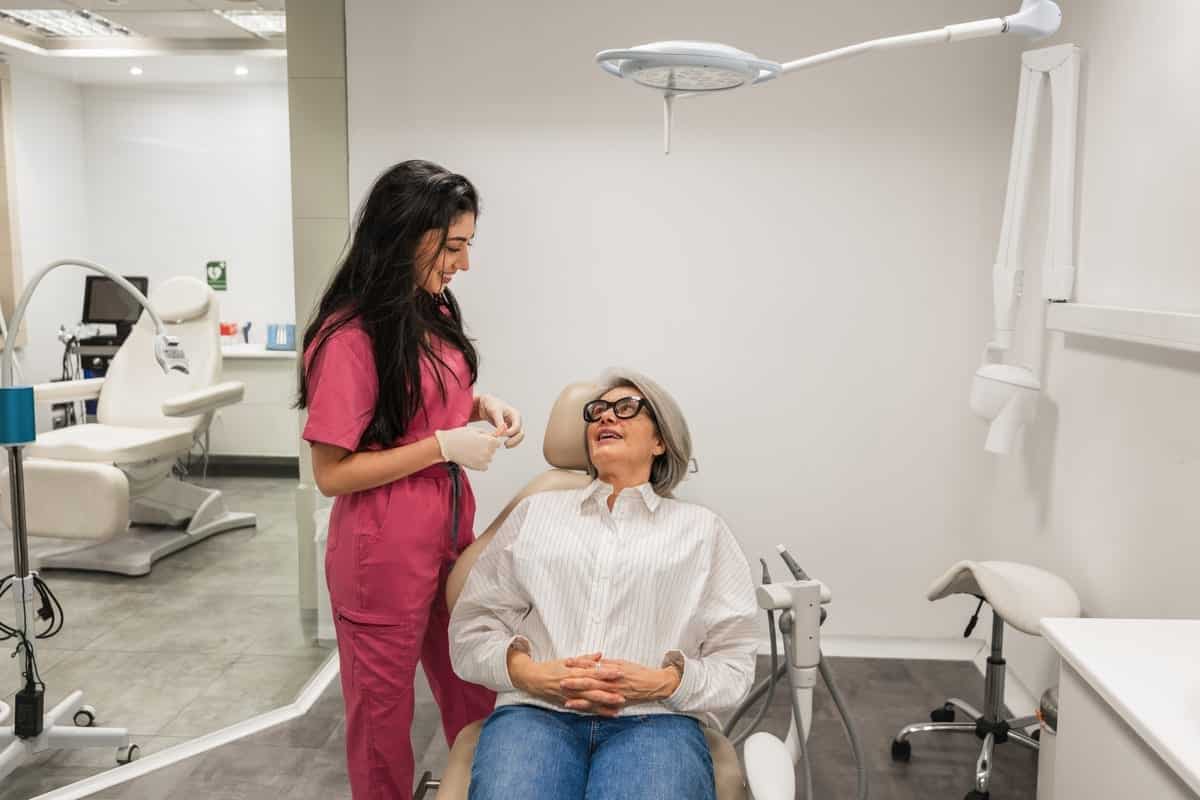
If you’ve been asking yourself, Am I Really a Candidate for Dental Implants? Lincolnia residents often wonder the same thing. Missing teeth affect your confidence, your bite, and your long-term jaw health. The good news is that most healthy adults qualify for implants. Understanding the key factors can help you walk into your consultation feeling informed and ready.
At Alexandria Dental Spa, Dr. Milook Uzri works with patients throughout the Lincolnia area every day. Many patients arrive unsure whether their age, health history, or lifestyle disqualifies them. The answer is often more encouraging than they expect. This article breaks down exactly what dentists look for when evaluating implant candidacy.
What Makes Someone a Good Candidate for Dental Implants in Lincolnia?
Dental implants replace missing tooth roots with small titanium posts. These posts fuse with your jawbone in a process called osseointegration. For this to work, your body needs to be able to support that healing process. Several key factors determine whether implants are right for you.
Here are the most important candidacy criteria Dr. Uzri evaluates:
- Good general health: Your immune system must support healing after surgery.
- Sufficient jawbone volume: There must be enough bone to anchor the implant securely.
- Healthy gums: Active gum disease must be treated before implant placement.
- Non-smoker or willing to quit: Smoking significantly raises implant failure risk.
- Commitment to oral hygiene: Implants require consistent home care to last.
Most adults meet several of these criteria already. A thorough evaluation at Alexandria Dental Spa will determine where you stand. Dr. Uzri uses digital X-rays and 3D imaging to get a precise picture of your bone and tissue health.
Does Age Affect Whether You Qualify for Dental Implants?
Age is one of the most common concerns patients in Lincolnia bring up. The short answer is that implants have no upper age limit. Seniors in their 70s and 80s successfully receive implants every year. What matters far more than your age is your overall health status.
However, implants are typically not placed in younger patients whose jaws are still developing. Most dentists recommend waiting until the late teens or early twenties. This ensures the jawbone has reached its full adult size. Placing an implant too early could lead to misalignment as the jaw continues to grow.
For older adults, certain age-related conditions may require extra evaluation. These include bone density changes, medications that affect healing, or cardiovascular conditions. None of these automatically disqualify you from implants. They simply mean your treatment plan needs careful customization.
How Bone Density and Gum Health Impact Candidacy
Bone density is arguably the most critical factor in implant candidacy. Without enough jawbone, the titanium post has nothing stable to fuse with. Tooth loss itself causes bone to shrink over time. The longer you’ve had a missing tooth, the more bone may have been lost.
The great news is that bone grafting can restore lost bone volume. This adds time to the treatment timeline, but it makes implants possible for many patients who thought they didn’t qualify. Dr. Uzri will assess your bone levels precisely before recommending a graft. Many Lincolnia patients are surprised to learn they have more bone than they expected.
Gum disease is another important factor to address before moving forward. Active Gum Disease Periodontal Therapy is essential if you have existing infection around your teeth or gums. Placing an implant into infected tissue dramatically raises the risk of failure. Once your gums are healthy, implants become a viable and lasting option.
Can Health Conditions or Smoking Disqualify You?
Certain systemic health conditions do affect implant candidacy. Uncontrolled diabetes, for example, impairs healing and raises infection risk. However, patients with well-managed diabetes regularly receive successful implants. The key word is controlled — not the diagnosis itself.
Autoimmune disorders, blood clotting conditions, and some cancer treatments also require extra consideration. Medications like bisphosphonates, used for osteoporosis, can affect jawbone healing. Always share your full medical history and medication list with Dr. Uzri. Transparency helps build the safest and most effective treatment plan for you.
Smoking is one of the biggest lifestyle risk factors for implant failure. Tobacco reduces blood flow to the gums and slows the healing process significantly. Studies consistently show higher implant failure rates among smokers. Dr. Uzri will have an honest conversation with you about quitting before and after the procedure.
Here’s a quick summary of conditions that require evaluation — but don’t automatically rule out implants:
- Type 1 or Type 2 diabetes (if managed)
- Osteoporosis or bisphosphonate use
- History of radiation therapy to the jaw
- Autoimmune conditions affecting healing
- Active tobacco use
- Severe cardiovascular disease
Dr. Uzri may consult with your primary care physician or specialist in some cases. This collaboration ensures your safety throughout every stage of treatment. Being proactive about your health history leads to better long-term outcomes.
What to Expect During Your Implant Consultation at Alexandria Dental Spa
Walking into your first consultation can feel intimidating. But the goal of this appointment is simply to gather information and answer your questions. Dr. Uzri will review your dental and medical history in detail. You’ll have a full oral exam, including imaging of your jaw and bone structure.
From there, you’ll receive a personalized candidacy assessment. If implants are right for you, Dr. Uzri will outline each phase of the process clearly. If additional treatments like bone grafting or periodontal care are needed first, you’ll understand exactly why. Patients in Lincolnia often say this consultation gives them clarity they didn’t have before.
Alexandria Dental Spa also offers a full range of Cosmetic Dentistry services. If implants aren’t the right fit right now, there may be other solutions that restore your smile beautifully. Dr. Uzri will always prioritize the option that best serves your oral health long-term. You’ll never feel pressured into a decision during your visit.
Take the Next Step Toward a Complete Smile in Lincolnia
The question Am I Really a Candidate for Dental Implants? deserves a real, personalized answer — not a generic checklist. Your bone health, medical history, lifestyle, and goals all play a role. Dr. Milook Uzri at Alexandria Dental Spa has helped countless Lincolnia patients discover that implants were more accessible than they imagined. You owe it to yourself to find out where you stand. Book Now to schedule your appointment with our team.
Frequently Asked Questions
How do I know if I have enough bone for dental implants?
Dr. Uzri uses digital X-rays and 3D cone beam imaging to measure your bone volume precisely. Many patients who believe they don’t have enough bone are actually good candidates. If bone loss has occurred, grafting procedures can restore the necessary volume before implant placement.
Can I get dental implants if I have diabetes?
Yes, many diabetic patients successfully receive dental implants. The key factor is how well your diabetes is managed. Patients with stable blood sugar levels tend to heal well after implant surgery. Dr. Uzri will coordinate with your physician to ensure your treatment is as safe as possible.
Does smoking permanently disqualify me from getting implants?
Smoking significantly increases the risk of implant failure, but it doesn’t permanently disqualify you. Patients who quit smoking before and during the healing period see much better outcomes. Dr. Uzri will discuss a realistic timeline and cessation support with you during your consultation.
What is the minimum age requirement for dental implants?
Most dentists recommend waiting until the jaw has fully developed, typically in the late teens or early twenties. There is no maximum age limit for dental implants. Older adults in good general health are strong candidates regardless of their age.
How long does the dental implant process take?
The timeline varies depending on your individual needs. A straightforward implant placement can take three to six months from surgery to final crown. If bone grafting or gum treatment is required first, the process may take longer. Dr. Uzri will give you a realistic timeline based on your specific treatment plan.