


December 14, 2023 by Alexandria Dental Spa
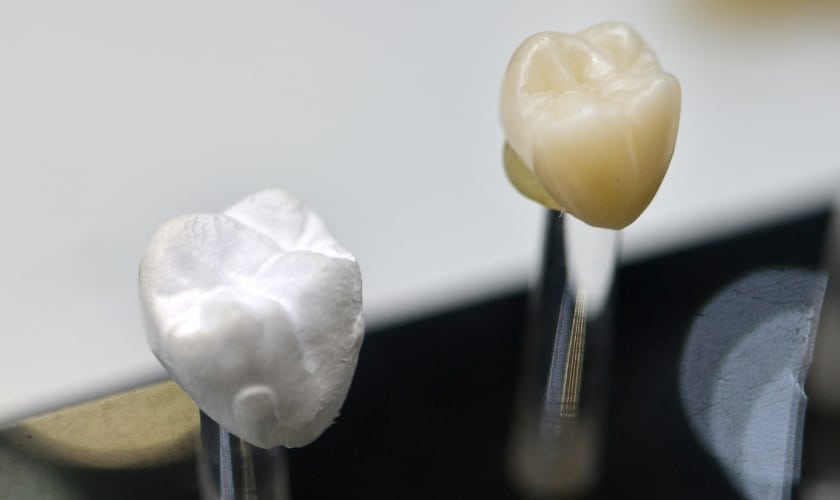
Beginning the journey of a root canal might be intimidating, but as the pain lessens, a nagging concern emerges: the necessity for a crown. This article goes beyond just cosmetic enhancement to reveal the critical role crowns play in the post-root canal. Crowns, like sentinels of dental health, build, repair, and defend your winning smile. Explore the area where dental science meets aesthetic charm and discover why a crown isn’t simply an option—it’s a critical component of comprehensive dental care, promising robustness, brightness, and long-term oral health. Welcome to the doorway of smiles, where root canals and crowns meet to create dental harmony.
Root Canal Overview
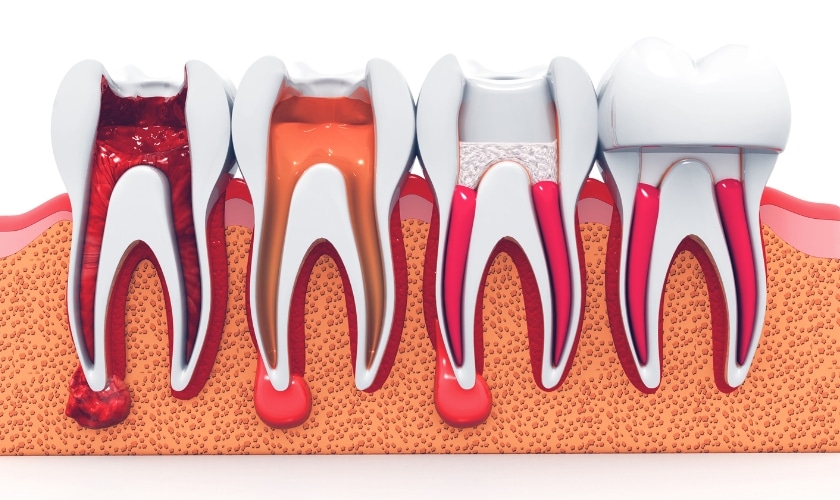
A root canal is a dental operation that fixes a tooth that has a damaged or diseased pulp, which is the tooth’s interior section. The diseased pulp is removed, the interior is cleaned and disinfected, and the cavity is sealed to avoid future infection. Pulpititis, or inflammation of the pulp deep within a tooth, develops when severe tooth decay goes untreated or when the tooth is damaged suddenly. Root canal therapy is unpleasant, but it helps to relieve it. After the treatment, patients have a hollowed-out tooth that is painless. The tooth can then be supported with a crown, preventing further damage.
The Role Of Crowns
According to the American Association of Endodontists (AAE), the requirement for a crown following a root canal is determined by the tooth’s location in the mouth. Crown strength benefits the rear teeth, which are crucial for chewing. Front teeth, requiring less intensive chewing, may not necessitate a crown. Dentists usually suggest crowns for teeth missing more than half or broken. Aquilino’s research revealed a sixfold higher likelihood of tooth loss for those with root canals but no crowns compared to those with crowns. Dental professionals often prescribe crowns to give extra support to posterior teeth, including molars and premolars. Oral health, bruxism, and previous tooth damage also influence the necessity of a crown.
Strengthening the Tooth:
One of the key objectives of putting a crown on a root canal-treated tooth is to reinforce it. A tooth that has had a root canal is more prone to fracture and damage. A crown serves as a protective coating for the tooth, giving it structural support and keeping it from cracking.
Restoring Tooth Appearance:
Aesthetics are extremely important in dental treatment. The tooth may lose part of its original structure and appear discolored after a root canal. A crown is made to look like the natural shape and color of the tooth, ensuring a smooth transition with the rest of your teeth.
Guarding Against Reinfection:
Despite the fact that the root canal eliminates the affected pulp, there is still the possibility of reinfection. Placing a crown over the treated tooth forms a barrier, minimizing the possibility of germs infiltrating the tooth and developing a new infection.
Taking Care Of Your Crown
Understanding the necessity of a crown after a root canal is just the first step. Proper care is essential to ensuring the longevity and effectiveness of the crown. Follow these steps and protect your dental crown easily:
Maintain Excellent Oral Hygiene:
Brushing and flossing on a regular basis are critical for reducing plaque accumulation around the crown and maintaining proper oral hygiene. Brushing and flossing are advised, but avoid chewing on hard foods or biting strongly until approved by an endodontist or dentist. For the first hour, avoid eating, ingesting hot or cold liquids, or smoking.
Attend Regular Dental Check-ups:
Regular dental exams are essential for maintaining the health of a dental crown following a root canal. They enable early detection of possible issues, encouraging proactive action. Regular dental appointments keep the crown in good shape and free of injury or deterioration. Dentists look for changes in form, color, or size in the surrounding region and may propose additional treatments, such as a root canal or new crown implantation, if necessary.
Be Mindful Of Eating Habits:
Avoid biting on hard items such as nuts, popcorn kernels, ice cubes, and hard sweets when caring for a fresh dental crown. Choose soft meals such as yogurt, mashed potatoes, and cooked veggies instead. Be conscious of damaging behaviors, such as clenching or grinding your teeth when chewing. If you suspect these practices, talk to your dentist about custom-fitted night guards. Sugary snacks should be avoided since they can increase cavity-causing germs and deterioration around the crown. Brush and floss your teeth after eating sweet snacks to eliminate the residue. Sticky foods, such as caramel or chew, should be avoided since they can become trapped between the dental treatment and the teeth, causing damage over time.
The symbiotic relationship between root canals and crowns emerges as a critical collaboration in the complicated dance of dental repair. As we get to the end of our journey, keep in mind that a crown is more than simply a cosmetic embellishment; it is a tenacious protector, protecting your smile against the ravages of time. Accept attentive oral care, go to frequent check-ups, and let your crown be a symbol of dental achievement. Each confident flash of your bright grin confirms the tenacity of your oral health. So, don’t worry—the journey from root canal to crown is proof of the enduring beauty of comprehensive dental care, and your smile’s finest days are ahead.