


August 13, 2025 by Alexandria Dental Spa
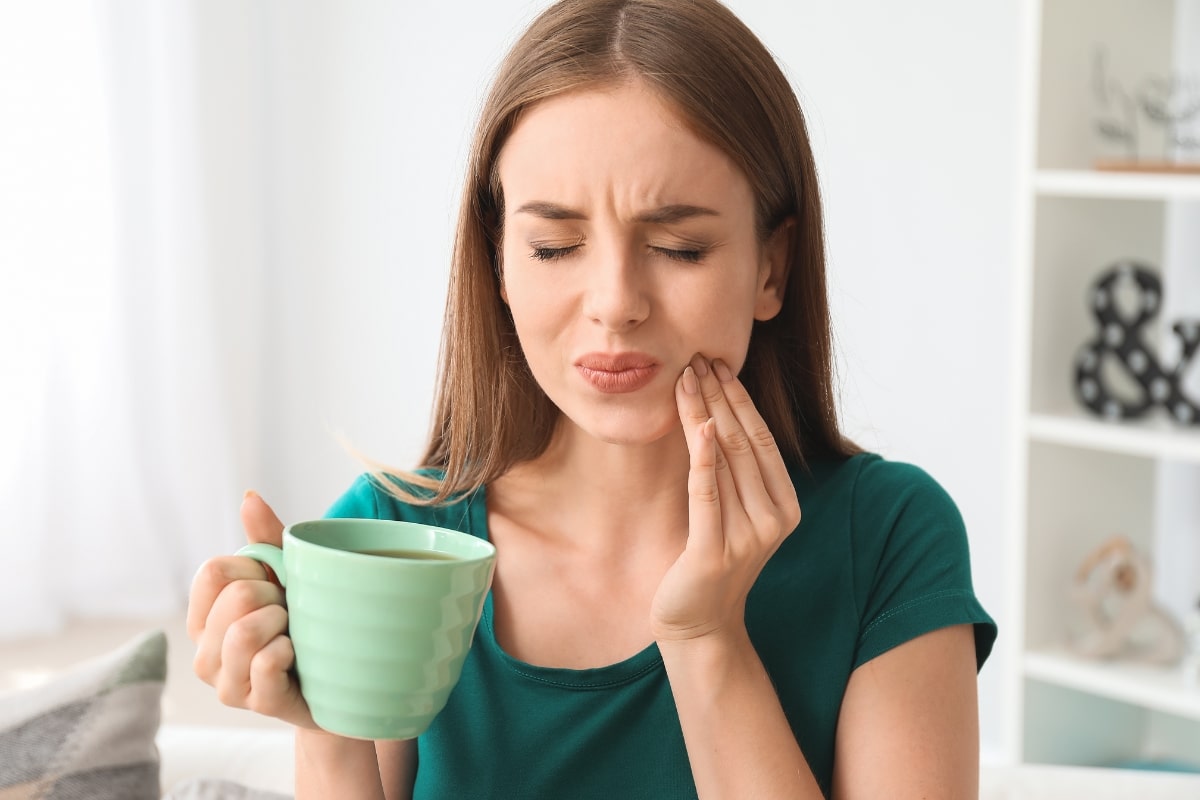
Cold drinks shouldn’t make your teeth recoil. That searing sensation has a name—dentin hypersensitivity and a few potential explanations. If iced coffee, smoothies, or sparkling water make you wince, this guide covers what’s happening inside the mouth, what helps at home, and when it’s time to see Dr. Uzri at Alexandria Dental Spa for long-lasting relief.
Why do cold drinks or food trigger that sharp zing
Under your enamel is dentin – a living layer that’s filled with microscopic tubules. Cold sensation can seep through the tubules and irritate the nerve when enamel wears away or gums recede. It’s not uncommon: a large U.S. study has estimated that about 1 in 8 adults has dentin hypersensitivity.
Effective steps to improve your oral health
Your goal: protect enamel, calm the nerve, and avoid habits that expose dentin. The following steps are simple, and they set the stage for care if you need it down the line.
Use a desensitizing toothpaste regularly
Look for potassium nitrate in the ingredient list of the toothpaste and wait a few weeks. Clinical trials show that potassium salts reduce tooth sensitivity in 4–8 weeks, making them suitable for most people.
Strengthen your dental health with fluoride and a gentle care technique
Brush two times daily with a fluoride toothpaste, use a soft brush, and put minimal pressure while brushing your teeth. Do not hand scrub your teeth along the gumline, as the friction will exacerbate gum recession and sensitivity down the line.
Modify beverage habits
Acidic beverages (sodas, energy drinks, citrus waters) soften enamel. Rinse your mouth afterward with water, don’t swish cold liquids around sensitive teeth, and use a straw to limit contact with teeth.
A quick evaluation by an Alexandria dentist can reveal whether decay, a cracked tooth, or bruxism is keeping you from cold drinks.
When home care isn’t enough
If sensitivity persists or worsens, professional care can reverse tooth sensitivity by removing the cause, not just the symptom.
What Dr. Uzri examines for
- Acid wear or excessive bite forces causing enamel loss or microcracks
- Gum recession exposing root surfaces
- Tooth decay or failed fillings
- Nighttime clenching (bruxism)
- In-office procedures that work synergistically
Depending on the findings, your treatment may include high-concentration fluoride varnish, bonding to cover exposed root surfaces, replacement of damaged or missing restorations, or a mouth guard if you grind your teeth. You’ll also get custom home oral care instructions so the relief lasts. This multi-pronged treatment is how you actually resolve tooth sensitivity rather than chase it.
Why see Dr. Uzri for cold-drink sensitivity
You’ll get a comfortable, step-by-step visit based on what your teeth tell us: dental care history, oral tests, and thorough imaging. Then we’ll map the least invasive effective treatment first and reserve elaborate care only if you need it. That’s the reasoned approach most patients prefer at Alexandria Dental Spa with Dr. Milook Uzri.