


June 25, 2024 by Alexandria Dental Spa
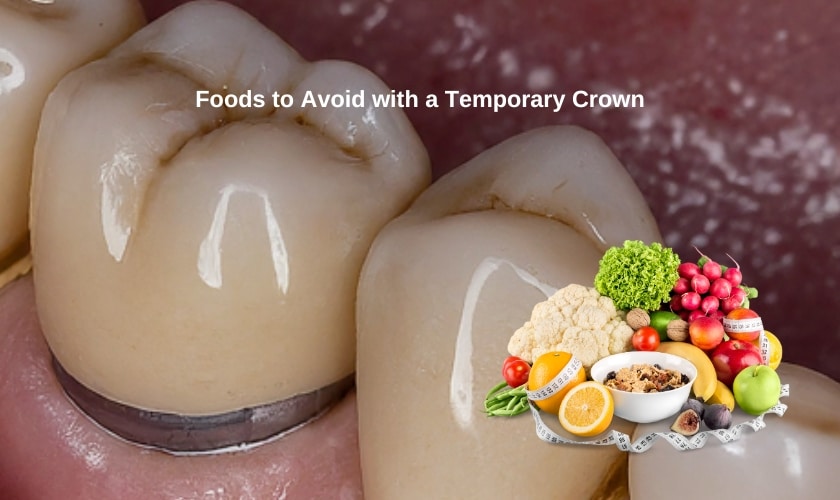
When you receive a temporary dental crown, your dentist will likely provide you with instructions to ensure that it stays in place and functions as intended until your permanent crown is ready. This temporary crown acts as a placeholder, protecting the tooth and maintaining the alignment of your teeth. However, it is crucial to take extra care with your diet to avoid any damage or dislodgement. In this comprehensive guide, we will discuss the foods to avoid with a temporary crown, and address common questions about living with this dental appliance.
Foods to Avoid with Temporary Crown
Having a temporary crown means you need to be cautious about your food choices. Certain foods can pose risks, such as loosening, cracking, or even dislodging the crown. Here are some categories of foods you should avoid:
1. Sticky Foods
- Examples: Caramel, chewing gum, taffy
- Why to Avoid: These foods can adhere to the crown and pull it off the tooth when you chew.
2. Hard Foods
- Examples: Hard candies, nuts, popcorn kernels, ice
- Why to Avoid: Hard foods can cause the temporary crown to crack or break under pressure.
3. Crunchy Foods
- Examples: Raw vegetables like carrots, apples, chips
- Why to Avoid: Crunchy foods require significant force to bite into, which can dislodge the crown.
4. Chewy Foods
- Examples: Bagels, tough meat, gummy candies
- Why to Avoid: Chewy foods can put stress on the crown and its adhesive, potentially loosening it.
5. Sugary Foods and Drinks
- Examples: Sodas, candy, pastries
- Why to Avoid: Sugary substances can contribute to decay around the temporary crown, compromising its fit and function.
6. Temperature-Extreme Foods
- Examples: Ice cream, hot coffee
- Why to Avoid: Extreme temperatures can cause the material of the temporary crown to expand or contract, which may lead to discomfort or damage.
Can You Eat Normally with a Temporary Crown?
Adjusting to a temporary crown means you will need to modify your eating habits slightly. While you can still enjoy many of your favorite foods, it’s essential to be mindful of how you eat them. Here are some tips to help you eat normally while protecting your temporary crown:
- Chew on the Opposite Side: Try to chew food on the side of your mouth opposite the temporary crown. This minimizes the pressure and stress on the crown.
- Cut Food into Small Pieces: Cutting your food into smaller, manageable pieces can make it easier to eat without risking damage to the crown.
- Avoid Using the Crowned Tooth for Biting: Refrain from using the tooth with the temporary crown to bite into food directly, especially hard or sticky items.
What Are the Do’s and Don’ts of a Temporary Crown?
Taking care of a temporary crown involves a few key do’s and don’ts to ensure it stays secure and functional until your permanent crown is ready.
Do’s:
- Maintain Oral Hygiene: Brush and floss gently around the temporary crown to keep the area clean and free of debris.
- Rinse with Mouthwash: Use an antibacterial mouthwash to reduce the risk of infection and keep your mouth clean.
- Use a Soft Bristle Toothbrush: A soft bristle toothbrush is less likely to cause damage to the temporary crown and surrounding gums.
- Report Any Issues to Your Dentist: If your temporary crown feels loose or uncomfortable, contact your dentist immediately.
Don’ts:
- Avoid Flossing Aggressively: When flossing, slide the floss out gently rather than lifting it, which can dislodge the crown.
- Don’t Eat Sticky or Hard Foods: As mentioned earlier, these foods can damage or dislodge the temporary crown.
- Avoid Chewing Gum: Chewing gum can be particularly problematic as it can easily stick to the crown and pull it out.
Is It Hard to Chew on a Temporary Crown?
Chewing with a temporary crown can be a bit challenging, especially in the initial days after placement. The material used for temporary crowns is not as durable as permanent crowns, so it’s essential to be cautious. Here are some tips to make chewing easier:
- Go Slow: Take your time when chewing food to avoid putting too much pressure on the temporary crown.
- Soft Foods Diet: Consider sticking to a diet of softer foods such as yogurt, mashed potatoes, and soups to ease the strain on your crown.
- Monitor for Pain: If you experience pain while chewing, it could indicate an issue with the fit of the crown or an underlying dental problem. Consult your dentist if pain persists.
Can You Accidentally Swallow a Temporary Crown?
Yes, it is possible to accidentally swallow a temporary crown, though it is relatively rare. This usually happens if the crown becomes loose and dislodges while you are eating or speaking. Here are some steps to take if you accidentally swallow your temporary crown:
- Stay Calm: In most cases, a swallowed temporary crown will pass through your digestive system without causing harm.
- Contact Your Dentist: Inform your dentist about the incident. They will provide guidance on what to do next and may arrange for a replacement crown.
- Monitor Your Symptoms: If you experience any pain or discomfort after swallowing the crown, seek medical attention immediately.
Conclusion
Living with a temporary crown requires some adjustments to your daily routine, particularly when it comes to your diet. By avoiding certain foods and following your dentist’s care instructions, you can ensure that your temporary crown stays secure and functional until your permanent crown is ready. Remember to maintain good oral hygiene, report any issues to your dentist, and take extra care when chewing to prevent damage or dislodgement.
In summary, while a temporary crown is not as robust as a permanent one, taking the right precautions can help you avoid complications and ensure a smooth transition to your permanent crown. By being mindful of the foods to avoid with a temporary crown and following the do’s and don’ts, you can protect your dental health and enjoy a comfortable experience until your permanent crown is in place.