


February 1, 2024 by Alexandria Dental Spa
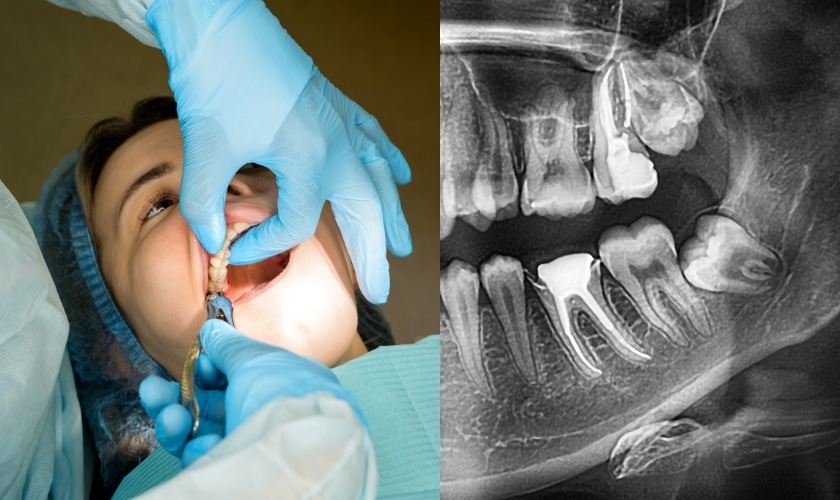
Welcome to our blog post on wisdom teeth removal! If you’ve ever experienced the discomfort and pain that come with these pesky molars, then you know just how important it is to get them removed. One of the most common concerns? How long does wisdom teeth removal take? In this article, we’ll cover all things related to wisdom teeth removal, from understanding what they are and why they need to be extracted to learning about the procedure itself and the time it takes. So let’s not waste any more time—let’s dig in and uncover everything you need to know about wisdom teeth removal!
What are Wisdom Teeth?
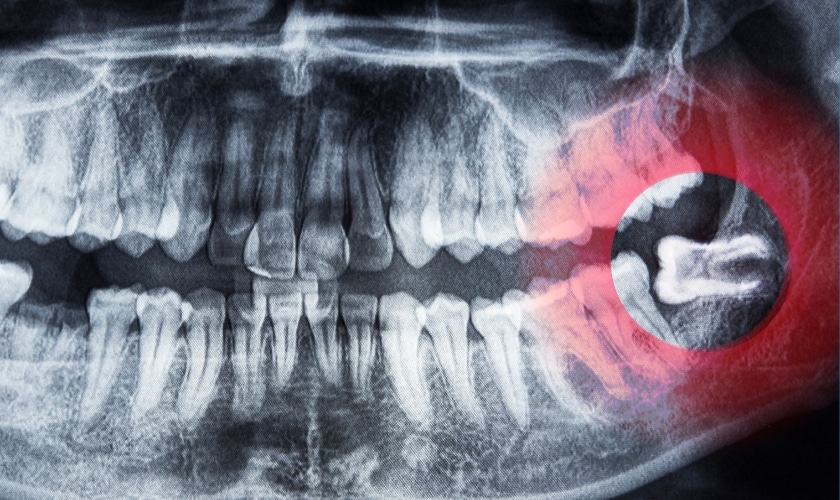
Wisdom teeth, also known as third molars, are the last teeth to erupt in your mouth, typically emerging between the ages of 17 and 25. They got their name because they supposedly arrive when you gain wisdom, but don’t worry, they won’t magically make you smarter!
These molars reside at the very back of your jaw, two on top and two on the bottom. Interestingly, not everyone gets them; some people are naturally missing one or even all four wisdom teeth. This is thought to be due to our evolving jaws adapting to a softer diet over time.
While some wisdom teeth erupt smoothly and cause no problems, others aren’t so lucky. They can become impacted, meaning they’re stuck under the gum or bone, leading to pain, infection, and other dental issues. In these cases, removal is often recommended.
- Up to 35% of people are missing at least one wisdom tooth.
- Around 85% of wisdom teeth need to be removed at some point due to impaction or other issues.
- The global wisdom teeth removal market is expected to reach USD 1.5 billion by 2027.
Reasons for Wisdom Teeth Removal
Wisdom teeth, those mysterious molars at the back of your jaw, can sometimes create more trouble than they’re worth. Here’s why dentists might recommend sending them packing:
1. Impaction: This is the big one. Up to 85% of wisdom teeth get stuck (impacted) under the gum or bone, causing pain, swelling, and infection. Imagine a crowded subway at rush hour, but with teeth!
2. Dental dominoes: Impacted teeth can push on your other pearly whites, messing up your bite and alignment. Think crooked smiles and TMJ troubles.
3. Cleaning conundrum: Wedged-in wisdom teeth are notoriously hard to keep clean, making them prime targets for cavities and gum disease. Brushing back there is like trying to dust under a couch with a feather duster—not easy!
4. Cyst city: Neglected wisdom teeth can form cysts, fluid-filled sacs around the root that can damage the jawbone and nerves. Not fun!
5. Futureproofing: Even if your wisdom teeth seem chill now, removing them early can prevent future problems and make recovery easier when your jaw is younger and your bones are softer.
Remember, this isn’t a one-size-fits-all situation. Talk to your dentist to see if your wisdom teeth are angels or troublemakers!
The Procedure of Wisdom Teeth Removal
Before the actual wisdom teeth removal process begins, your dentist will conduct a thorough examination and take X-rays to assess the condition of your wisdom teeth. This evaluation helps determine if extraction is necessary.
To ensure your comfort throughout the procedure, you will be given either local anesthesia or sedation on the day of the procedure. The tooth and bone will then be visible through an incision made by the dentist in your gum tissue. To make the tooth extraction process easier, it might occasionally be necessary to remove a tiny amount of the surrounding bone.
Your dentist will use specialized tools to carefully loosen and remove each wisdom tooth once access has been gained. Subsequently, they will remove any leftover debris from the surrounding area and use dissolvable stitches to close the wounds.
The Wisdom Teeth Removal Time
Pre-operative Instructions (1-2 days before surgery):
- You’ll receive detailed instructions on fasting, medication, and what to expect on the day of surgery.
- Discuss any concerns you have about the procedure or anesthesia with your dentist. Don’t hesitate to ask questions!
The Surgery (30-90 minutes):
- The actual removal of your wisdom teeth can take anywhere from 30 minutes for a single, uncomplicated tooth to 90 minutes for multiple impacted teeth.
- You’ll be under local or general anesthesia, ensuring you feel no pain during the procedure.
- Alexandria Dental Spa prioritizes patient comfort. Discuss your preferred level of sedation with your dentist beforehand.
Post-wisdom tooth recovery (1-2 weeks):
- This is where the healing magic happens! Expect some swelling, discomfort, and bleeding for the first few days.
- Your dentist will provide detailed instructions on pain management, oral hygiene, and diet to promote optimal healing.
- Alexandria Dental Spa offers follow-up appointments to monitor your healing progress and address any concerns.
Recovery Time and Tips for Faster Healing
- Over-the-counter pain relievers are usually sufficient for most patients. However, your dentist may prescribe stronger medication if needed.
- Consider applying ice packs to your jaw for swelling reduction and pain relief.
- Stick to soft, cool foods like yogurt, applesauce, and mashed potatoes for the first few days.
- Gradually introduce solid foods as your mouth heals, avoiding anything crunchy or spicy.
- Stay hydrated by sipping on cool liquids throughout the day.
- Rest is crucial for healing, but avoid complete inactivity. Gentle walking and light activity can help promote circulation and prevent blood clots.
- Ask your dentist about specific activity restrictions based on your individual case.
- While rare, complications like infection, dry socket, and nerve damage can occur.
- Be familiar with the signs and symptoms of potential complications and contact your dentist immediately if you experience any.
Consult with a qualified dentist to evaluate your specific circumstances before deciding whether to undergo wisdom teeth removal.They will take into account factors like the condition of your existing teeth and gums before making an informed recommendation. By consulting with experienced dentists like those at Alexandria Dental Spa in Alexandria, you’ll receive personalized advice tailored to your needs.
FAQs
Q: How much does wisdom teeth removal cost?
The cost can vary depending on several factors, including the number of teeth removed, the type of anesthesia used, and your geographic location.
Q: What are the alternatives to wisdom teeth removal?
In some cases, monitoring wisdom teeth is possible if they’re not causing any problems. However, removal is often recommended to prevent future complications like impaction, infection, or damage to surrounding teeth.
Q: Can I drive myself home after wisdom teeth removal?
A: No, it
Q: Is wisdom teeth removal painful?
With the application of local anesthesia and potential sedation, the procedure itself is not painful. Post-operative discomfort can be managed with prescribed medications.
Q: What complications can arise from wisdom teeth removal?
While rare, complications may include a dry socket or infection. Alexandria Dental Spa educates patients on preventive measures and provides prompt intervention if issues arise.