


February 5, 2024 by Alexandria Dental Spa

Welcome to our blog post on how to achieve a sparkling, white smile even with braces! We understand that having braces can sometimes make it challenging to maintain the perfect shade of pearly whites. But fear not, because we are here to enlighten you on the various options available for whiten teeth with braces. Say goodbye to any misconceptions you may have had and get ready to embrace a brighter smile throughout your orthodontic journey. Whether you’re seeking professional treatments or prefer the convenience of at-home remedies, we’ve got all the tips and tricks you need right here. So let’s dive in and discover how to whiten teeth with braces.
Common Misconceptions about Whitening with Braces
A dazzling smile isn’t out of reach just because you’re sporting braces! But when it comes to teeth whitening, many myths and misconceptions can cloud our judgment. Let’s shed light on the truth with some helpful statistics and sources:
Myth 1: Whitening will damage your braces.
Busted! A study published in the Journal of Clinical Orthodontics found no adverse effects on orthodontic materials (like brackets and wires) when using professional whitening treatments
Myth 2: Whitening won’t work while wearing braces.
Not quite! While brackets and wires might slow down the process, studies show a 70–80% success rate for in-office whitening even with braces. Over-the-counter options might require more patience, but achieving a brighter smile is still possible.
Myth 3: It’s better to wait until after braces.
Debunked! Waiting is an option, but early whitening during treatment can prevent staining around brackets and even shorten your overall orthodontic journey. Consult your dentist to find the best timing for your specific case.
Myth 4: Over-the-counter products are just as good.
Proceed with caution! While convenient, these options often contain lower concentrations of whitening agents and lack professional supervision. A 2020 study found only 37% of over-the-counter products delivered significant whitening, compared to 82% for professional treatments. Consider the potential for uneven whitening or tooth sensitivity before choosing.
Remember, consulting your dentist is key! They can recommend safe and effective whitening options tailored to your specific needs and brace type. By understanding the facts and making informed choices, you can confidently brighten your smile throughout your orthodontic journey!
Options for Whiten Teeth With Braces
- Toothpaste Time: Swap your regular toothpaste for a whitening option. Look for one containing mild abrasives like silica or chemical whiteners like hydrogen peroxide. Remember, consistency is key—brush twice daily for optimal results.
- Swish and Smile: Whitening mouthwash can be a quick and convenient way to remove surface stains and keep your breath fresh. Choose one formulated for gentle whitening without harsh chemicals.
- Targeted Treatment: Consider a whitening pen for precise application around brackets. These pens often contain hydrogen peroxide gel and can be used for touch-ups or to target specific stained areas.
- DIY Delight: Baking soda and hydrogen peroxide paste is a popular (and affordable) natural remedy. To make a paste, Mix one part baking soda with two parts hydrogen peroxide. Apply it gently to your teeth, avoiding the gums, and rinse thoroughly after a few minutes. Remember, moderation is key, as overuse can cause sensitivity.
- Striptease (the Safe Kind): Whitening strips can be effective for some, but navigate with caution around braces. Opt for strips designed for braces or cut them to fit around the brackets. Be mindful of potential gum irritation and follow the instructions carefully.
How To Whiten Teeth with Braces at Home
- Consult Your Orthodontist: Before starting any whitening treatment, consult your orthodontist to ensure it’s safe for your specific situation.
- Choose Brace-Friendly Whitening Products: Opt for whitening products that are safe for braces, such as whitening toothpaste or a mild hydrogen peroxide-based solution.
- Maintain Good Oral Hygiene: Brush your teeth after every meal to prevent plaque buildup. This will help ensure an even whitening effect and reduce the risk of discoloration around the braces.
- Floss Regularly: Use a floss threader to clean between the wires and teeth, removing any food particles that may contribute to staining.
- Avoid Staining Foods and Drinks: Limit consumption of dark-colored foods and drinks, such as coffee, tea, and berries, which can stain teeth and braces.
- Whitening Toothpaste: Incorporate a whitening toothpaste into your daily routine. Look for one that is enamel-safe and doesn’t contain abrasive particles that could harm your braces.
- Hydrogen Peroxide Rinse: Mix a small amount of hydrogen peroxide with water and swish it around your mouth. Be cautious not to swallow and rinse thoroughly afterward.
- Baking Soda Paste: Create a paste with baking soda and water, and gently brush your teeth. Surface stains may be removed with the aid of this gentle abrasive.
- Activated Charcoal (Optional): Some people choose to use activated charcoal for its purported whitening properties. However, it’s essential to use this sparingly and with caution, as its long-term effects are still under research.
- Regular Check-ups: Schedule regular dental check-ups to monitor the health of your teeth and braces. Your dentist can provide additional guidance on safe whitening practices.
Professional Whiten Teeth with braces
While achieving a bright, confident smile is a common goal, navigating whiten teeth with braces can feel tricky. Thankfully, several professional options cater to individuals with orthodontic treatment, allowing you to whiten safely and effectively. Here’s a breakdown of your professional teeth-whitening choices while wearing braces:
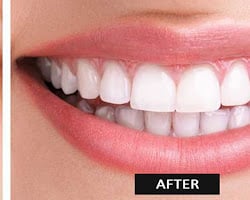
1. In-Office Power Whitening: Performed by your dentist, this treatment utilizes concentrated whitening gels (often hydrogen peroxide-based) and special lights or lasers to accelerate the whitening process. Highly effective, delivering noticeable results in a single appointment (lasting up to a year with proper care). A 2019 study published in the Journal of Dentistry found in-office whitening resulted in a significant 7-shade improvement in tooth color. Not suitable for everyone, especially those with sensitive teeth or gum issues. More expensive than at-home options.
2. Custom Take-Home Trays: Your dentist creates personalized trays that fit snugly over your teeth. You fill them with a lower-concentration whitening gel and wear them for a prescribed time daily (usually 30–60 minutes) for several weeks. Effective, though results take longer (2-4 weeks) than in-office treatments. Whiteness can last 6–12 months with good oral hygiene. A 2021 study in the Journal of Clinical and Diagnostic Research showed custom trays achieved a 3-shade improvement after 4 weeks of use. Requires commitment to consistent wear. Trays can interfere slightly with speech and comfort.
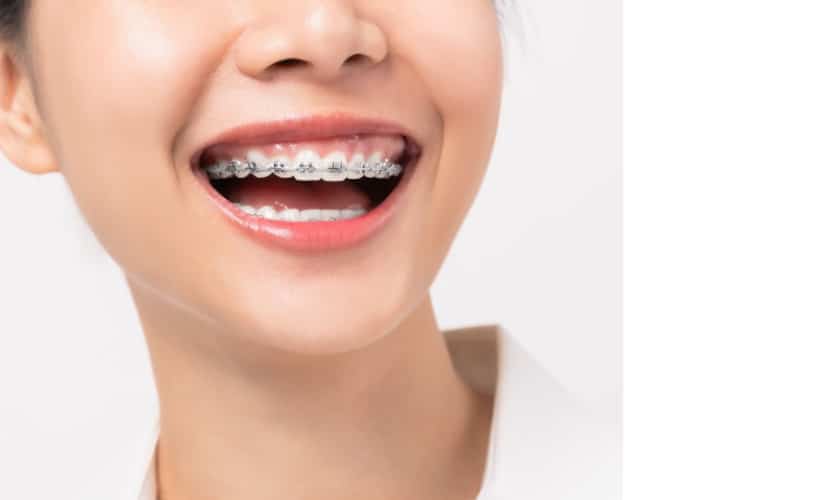
3. Whitening with Lingual Braces: If you have lingual braces placed behind your teeth, you might be a candidate for in-office whitening or custom trays as usual. Discuss options with your dentist. Similar effectiveness as without braces, with the added benefit of whitening areas usually hidden by traditional braces. It requires careful technique to avoid irritating the tongue with whitening products.
Remember:
- Consult your dentist first: Before starting any whitening treatment, discuss your options and suitability with your dentist, considering your specific orthodontic situation and oral health.
- Maintain good oral hygiene: Brushing and flossing regularly throughout treatment is crucial to prevent staining and gum problems.
- Sensitivity: Whitening can cause temporary tooth sensitivity, especially with in-office treatments. Your dentist can advise on managing this.
- Realistic expectations: While professional whitening can be effective, individual results may vary. Patience and consistent use are key.
Remember, a healthy smile is a happy smile! Consistent brushing, flossing, and regular dental checkups are crucial for maintaining oral health and preventing staining, even with braces. For personalized advice and professional whitening solutions, consult the experts at Alexandria Dental Spa. They can help you craft a safe and effective whitening plan to keep your smile sparkling throughout your orthodontic journey.
Will whitening damage my braces?
Most over-the-counter whitening products are safe for braces, but always consult your dentist first. Avoid harsh abrasives or bleaches that could damage the brackets.
What about after I get my braces off?
Whitening after brace removal can achieve the most even and dramatic results. Discuss post-braces whitening options with your dentist for a dazzling smile reveal.
Q: How long will it take to see results?
Patience is key! Depending on the severity of stains and the product used, results can take several weeks. Remember, consistency is key.
Are there any risks involved?
Minor tooth sensitivity is possible, especially with stronger whitening agents. If you experience discomfort, stop using the product and consult your dentist.
Can I use whitening strips with traditional metal braces?
Generally, no. The brackets can interfere with the strip’s adhesion and effectiveness. Consult your dentist for alternative options.
What if I have clear aligners?
You have more flexibility! Whitening strips and trays designed for aligners can be effective. Just remember to remove your aligners before applying any whitening product.