


May 28, 2024 by Alexandria Dental Spa
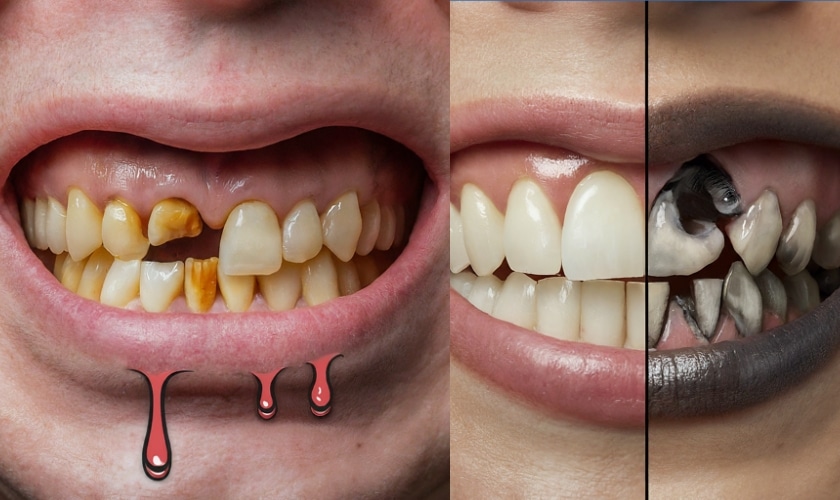
Imagine sipping on your favorite soda, Mountain Dew, on a hot summer day. The fizzy, sweet, and refreshing taste feels like an instant mood booster. But what if this beloved drink is quietly wreaking havoc on your teeth? This scenario isn’t hypothetical; it’s a growing dental health concern known as “Mountain Dew mouth.” Understanding what Mountain Dew mouth is, its causes, and the broader implications of consuming sugary sodas can help you make informed choices for your oral health. Let’s dive deep into this phenomenon and uncover the truth behind the buzz.
Mountain Dew Mouth
Mountain Dew mouth is a term coined by dental professionals to describe severe tooth decay and dental erosion linked to excessive consumption of Mountain Dew, a popular citrus-flavored soft drink, and other sugary sodas. This condition is particularly prevalent in certain regions of the United States, such as Appalachia, where soda consumption is notably high.
The name “Mountain Dew mouth” evokes a vivid image of the damage these sugary, acidic beverages can inflict on teeth. Characterized by extensive cavities, weakened enamel, and often the need for dental extractions, this condition highlights the detrimental effects of high-sugar diets combined with poor oral hygiene.
What Causes Mountain Dew Mouth?
High Sugar Content
Mountain Dew contains a significant amount of sugar—approximately 46 grams per 12-ounce can. When you drink Mountain Dew, the sugars interact with bacteria in your mouth to form acids. These acids then attack the tooth enamel, leading to decay. Over time, continuous exposure to these acids can cause severe dental erosion.
Acidic Nature
Besides its high sugar content, Mountain Dew is also highly acidic, with a pH level around 3.2. The acidity can directly erode tooth enamel, the hard, protective outer layer of your teeth. Enamel erosion makes teeth more vulnerable to decay and can lead to increased sensitivity.
Frequent Consumption
The frequency of soda consumption plays a crucial role in the development of Mountain Dew mouth. Sipping on sodas throughout the day means your teeth are continuously bathed in sugar and acid, preventing your saliva from neutralizing these harmful substances and remineralizing your enamel.
Poor Oral Hygiene
Neglecting proper oral hygiene practices exacerbates the problem. Without regular brushing and flossing, sugary residues from sodas remain on your teeth, providing a continuous supply of fuel for bacteria to produce acids.
How Mountain Dew and other sodas cause tooth decay
Now that we’ve identified the villains, let’s see how they wreak havoc on your smile. Here’s the breakdown:
- Sugar Feast: When you sip on a sugary soda, the bacteria in your mouth have a party. They feed on the sugar, producing acid as a byproduct.
- Acid Attack: This bacterial acid, combined with the existing acidity in the soda, creates a more acidic environment. This acidic environment weakens your tooth enamel, the hard outer layer of your teeth.
- Enamel Erosion: As the acid weakens your enamel, it becomes softer and more susceptible to decay. This erosion creates tiny openings in the enamel, paving the way for cavities.
- Cavity Chaos: Bacteria infiltrate the weakened enamel through these openings, reaching the softer dentin layer beneath. This is where the real damage starts – cavities begin to form.
- Painful Progression: If left untreated, cavities can grow deeper, causing sensitivity, pain, and eventually reaching the pulp, the innermost layer of your tooth. This can lead to serious dental problems, including root canals and tooth loss.
How to prevent Mountain Dew Mouth
The good news is that Mountain Dew mouth is entirely preventable! Here are some effective strategies to keep your smile healthy and avoid this condition:
- Limit sugary drinks: This is the golden rule. Reduce your soda intake significantly. Opt for water, unsweetened tea, or milk as healthier alternatives.
- Practice good oral hygiene: Brushing twice a day for two minutes and flossing daily are crucial for removing plaque and bacteria that contribute to decay.
- Fluoride is your friend: Fluoride strengthens tooth enamel and helps fight cavities. Use fluoridated toothpaste and consider fluoride mouthwash for added protection.
- Chew sugar-free gum: Chewing sugar-free gum after meals can increase saliva production, which helps wash away food particles and neutralize acidity in your mouth.
- Schedule regular dental checkups: Visit your dentist for professional cleanings and checkups at least twice a year. Early detection and treatment of cavities can prevent them from becoming more serious problems.
Should You Avoid Mountain Dew and Other Soft Drinks?
Health Risks Beyond Dental Issues
While Mountain Dew mouth primarily concerns dental health, the consumption of sugary sodas like Mountain Dew poses additional health risks. These include weight gain, type 2 diabetes, and cardiovascular diseases. Reducing soda intake can have far-reaching benefits for your overall health.
The Role of Moderation
It’s not necessary to eliminate sodas entirely from your diet, but moderation is key. Enjoying a soft drink occasionally is unlikely to cause significant harm if you maintain good oral hygiene and a balanced diet. However, frequent and excessive consumption can lead to serious dental and health problems.
Healthier Alternatives
Consider switching to healthier beverage options. Water, flavored with a splash of lemon or cucumber, can be a refreshing alternative. Unsweetened herbal teas and sparkling water with a hint of natural fruit essence are also excellent choices that don’t compromise your dental health.
Side Effects of Drinking Mountain Dew
Immediate Effects
In the short term, consuming Mountain Dew can cause a spike in blood sugar levels, providing a quick energy boost followed by a crash. The high caffeine content can also lead to jitteriness, increased heart rate, and difficulty sleeping.
Long-Term Dental Damage
Over time, consistent consumption of Mountain Dew can result in significant dental damage. Enamel erosion, cavities, and even tooth loss are common consequences. The acids and sugars in Mountain Dew create a hostile environment for teeth, accelerating decay and making dental interventions more frequent and extensive.
Systemic Health Issues
Drinking Mountain Dew regularly can contribute to systemic health issues such as obesity, metabolic syndrome, and type 2 diabetes. The high sugar content increases calorie intake without providing nutritional value, leading to weight gain and associated health complications.
Side Effects of Drinking Mountain Dew
While Mountain Dew mouth is the most concerning consequence of excessive soda consumption, it’s not the only one. Here are some additional side effects to be aware of:
- Weight gain: The high sugar content in sodas contributes to weight gain and obesity. This is a significant risk factor for various health problems, including diabetes and heart disease.
- Increased risk of type 2 diabetes: Consuming sugary drinks regularly can impair your body’s ability to regulate blood sugar, increasing your risk of developing type 2 diabetes.
- Weakened bones: The phosphoric acid found in Mountain Dew and other sodas can leach calcium from your bones, contributing to bone weakness and osteoporosis.
- Gout: Studies suggest a link between soda consumption and gout, a painful inflammatory condition affecting the joints.
- Dental erosion: Even moderate soda intake can erode tooth enamel over time, increasing sensitivity and making teeth more susceptible to staining.
- Headaches and dehydration: The caffeine and high sugar content in sodas can contribute to headaches and dehydration.
Is Mountain Dew Mouth Getting You Down?
If you frequently consume Mountain Dew and notice increased tooth sensitivity, visible cavities, or discomfort, you may be experiencing the early signs of Mountain Dew mouth. It’s essential to recognize these symptoms and take action before the condition worsens.
Schedule Regular Checkups
Remember, prevention is always better than cure. Regular dental checkups are vital for maintaining good oral health. Your dentist can detect cavities and other issues early on, allowing for simpler and less expensive treatment. They can also offer personalized advice on how to keep your smile healthy and avoid Mountain Dew mouth altogether.
Taking charge of your oral health is an investment in your overall well-being. By being mindful of your soda intake and implementing the tips discussed in this blog, you can keep your smile bright and healthy for years to come.