


July 28, 2023 by Alexandria Dental Spa
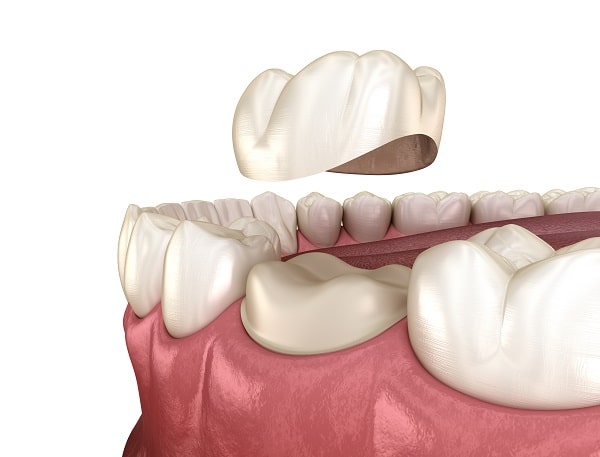
Dental crowns or caps are versatile dental restorations used for many years to restore and strengthen damaged or compromised teeth. Whether you have a decayed tooth, a cracked tooth, or a tooth that has undergone root canal treatment, dental crowns can be an excellent solution to bring back the functionality and aesthetics of your smile. This comprehensive guide will explore everything you need to know about dental crowns, from their types and materials to the procedure, benefits, and aftercare.
What Are Dental Crowns?
Dental crowns are custom-made tooth-shaped caps placed over the entire visible portion of a damaged tooth. They are designed to protect and strengthen the tooth while improving its appearance and alignment. Dental crowns can be made from various materials, including porcelain, ceramic, metal, or a combination of materials, depending on the individual’s needs and preferences.
Types Of Dental Crowns
Different types of dental crowns are available, each with unique properties and advantages. Porcelain and ceramic crowns are popular choices for their natural appearance, as they closely resemble the color and translucency of natural teeth. Metal crowns, such as those made of gold or stainless steel, are durable and ideal for restoring molars that endure significant chewing forces. Porcelain-fused-to-metal (PFM) crowns combine the aesthetic benefits of porcelain with the strength of metal, making them suitable for both front and back teeth.
The Dental Crown Procedure
The dental crown procedure typically requires two visits to the dentist. During the first visit, the dentist will prepare the tooth by removing any decay or damage and reshaping it to accommodate the crown. An impression of the tooth is taken to create a precise mold for the crown. A temporary crown may protect the tooth while the final crown is fabricated in a dental laboratory. During the second visit, the temporary crown is removed, and the custom-made crown is permanently cemented, ensuring a secure and comfortable fit.
Benefits Of Dental Crowns
Dental crowns offer numerous benefits, making them popular for restorative and cosmetic purposes. They provide structural support to weak or damaged teeth, preventing further deterioration. Dental crowns also restore the shape, size, and alignment of misshapen or discolored teeth, improving the smile’s overall appearance. Additionally, crowns can anchor dental bridges, replace missing teeth with dental implants, and protect teeth after root canal treatment.
Caring For Dental Crowns
Maintaining good oral hygiene is crucial for the longevity and success of dental crowns. Brushing twice daily, flossing daily, and visiting the dentist regularly for check-ups and cleanings are essential to keeping your crowns and natural teeth healthy. Avoid biting or chewing on hard objects, as this can damage the crown or the underlying tooth. If you grind your teeth at night, your dentist may recommend wearing a nightguard to protect your dental crowns from excessive wear.
Lifespan Of Dental Crowns
The lifespan of dental crowns varies depending on several factors, including the material used, oral hygiene practices, and daily wear and tear. On average, dental crowns can last anywhere from 5 to 15 years or more with proper care. Regular dental check-ups will allow your dentist to monitor the condition of your crowns and address any issues early on to extend their lifespan.
The Bottom Line
Dental crowns are versatile and effective dental restorations that can transform damaged teeth into strong, functional, and aesthetically pleasing ones. With various materials and types available, dental crowns offer tailored solutions to meet individual needs and preferences. Whether you need to restore a decayed tooth or enhance the appearance of your smile, dental crowns can be an excellent option. If you are considering dental crowns, consult a qualified dentist to determine the most suitable type for your specific dental needs. Embrace the benefits of dental crowns and experience the joy of a healthy and beautiful smile that lasts for years.