


June 29, 2026 by Alexandria Dental Spa
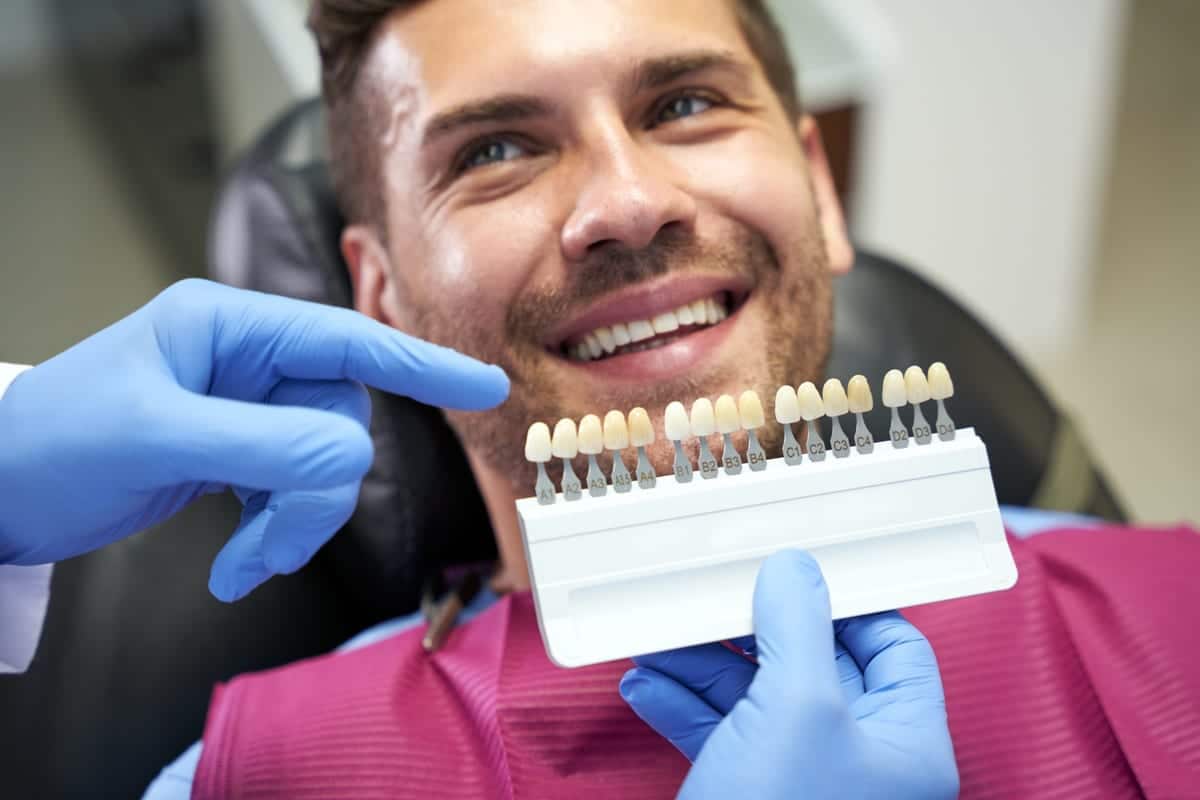
If you live near Lake Barcroft and have been thinking about improving your smile, veneers may have crossed your mind. Understanding what veneers can—and cannot—fix for your smile in Lake Barcroft helps you make a confident, informed decision. At Alexandria Dental Spa, Dr. Milook Uzri works with patients every day who want beautiful, natural-looking results. This guide breaks down exactly what veneers do, what they cover, and where their limits lie.
What Are Dental Veneers, Exactly?
Dental veneers are thin shells of porcelain or composite resin. A dentist bonds them directly to the front surface of your teeth. They are custom-made to match your natural tooth color and shape. Most patients choose porcelain veneers because they look lifelike and resist staining well.
The placement process typically involves two to three visits. During your first visit, Dr. Uzri examines your teeth and discusses your goals. A small amount of enamel is then removed to make room for the veneer. Impressions are taken and sent to a dental lab for fabrication.
Veneers fall under the broader category of Cosmetic Dentistry, which focuses on improving the appearance of your teeth and smile. They are not the same as dental crowns, which cover the entire tooth. Veneers only cover the visible front surface. This makes them a more conservative option for the right candidate.
What Veneers Can Fix for Your Smile in Lake Barcroft
Veneers are remarkably versatile for a thin shell of material. They address a wide range of cosmetic concerns in a single treatment. Many Lake Barcroft patients are surprised by how many issues one veneer procedure can resolve. Here is a look at the most common problems veneers correct:
- Permanent tooth discoloration — including stains that teeth whitening cannot remove
- Chipped or cracked teeth — minor chips and surface cracks are easily masked
- Slightly misaligned teeth — veneers can create the appearance of a straighter smile
- Uneven or irregular tooth shape — teeth that are too short, too long, or oddly shaped
- Small gaps between teeth — minor spacing issues can be closed with veneers
- Worn enamel — teeth that look dull or flat from grinding or acid erosion
Veneers work especially well when multiple concerns exist at once. A single set of veneers can correct color, shape, and minor alignment together. That makes them an efficient choice for a complete smile makeover. Patients often describe the transformation as dramatic yet natural-looking.
What Veneers Cannot Fix — Important Limitations to Know
Veneers are powerful, but they are not a solution for every dental problem. Understanding their limitations protects you from disappointment. It also ensures you pursue the right treatment for your specific needs. Here are situations where veneers are not the best option:
- Severely misaligned teeth — significant crowding or bite issues need orthodontic treatment like Invisalign
- Missing teeth — veneers only work on existing teeth; dental implants address tooth loss
- Severe tooth decay or damage — badly decayed teeth need crowns or restorative care first
- Active gum disease — unhealthy gums must be treated before cosmetic work begins
- Severely weakened teeth — teeth with major structural damage need more comprehensive restoration
- Heavy teeth grinding (bruxism) — grinding can crack or dislodge veneers over time
Active gum disease is one of the most important issues to resolve before getting veneers. If your gums are inflamed or infected, placing veneers will not deliver lasting results. Dr. Uzri may recommend Gum Disease Periodontal Therapy before moving forward with cosmetic treatment. Healthy gums are the foundation of any successful smile makeover.
Patients with severe bite problems or jaw misalignment should also explore other solutions first. Veneers do not change how your teeth come together when you bite. Placing veneers on a misaligned bite can actually cause them to fail prematurely. A thorough evaluation with Dr. Uzri will identify the best path forward for you.
Are You a Good Candidate for Veneers?
Good candidates for veneers share a few key characteristics. They have generally healthy teeth and gums with no active decay or disease. They want to address cosmetic concerns on the front teeth specifically. They also understand that the process is irreversible once enamel is removed.
Age matters too, but perhaps not in the way you expect. Veneers are typically recommended for adults whose teeth have fully developed. Younger teens may not yet qualify depending on their dental development. Dr. Uzri evaluates each patient individually to confirm candidacy.
Patients who grind their teeth heavily at night are not automatically disqualified. However, they may need a custom night guard to protect their veneers from damage. Addressing bruxism before or during veneer placement greatly extends the lifespan of the restoration. With proper care, porcelain veneers can last 10 to 15 years or longer.
What to Expect During Your Veneer Consultation at Alexandria Dental Spa
Your journey starts with a detailed consultation with Dr. Milook Uzri. He will review your dental and medical history carefully. Digital X-rays and photos help him assess the current condition of your teeth. You will also discuss the smile goals you want to achieve.
Dr. Uzri takes a personalized approach for every Lake Barcroft patient he sees. He explains every step of the process clearly and answers all your questions. You will never feel rushed or pressured into a decision. The goal is always to help you make the choice that is right for your health and confidence.
If veneers are not the ideal solution for your situation, Dr. Uzri will tell you honestly. He may recommend alternatives like teeth whitening, Invisalign, or dental crowns depending on your needs. Alexandria Dental Spa offers a full range of services so patients always have options. Your best smile outcome is always the priority.
Conclusion: Making the Right Choice for Your Smile
Veneers are one of the most effective cosmetic dental treatments available today. They can transform stained, chipped, uneven, or gapped teeth into a beautiful, confident smile. However, they work best when underlying dental health is solid and the concerns are cosmetic in nature. Knowing what veneers can—and cannot—fix for your smile in Lake Barcroft empowers you to have a productive conversation with your dentist.
Dr. Milook Uzri and the team at Alexandria Dental Spa are here to guide you every step of the way. We serve patients from Lake Barcroft and the surrounding Alexandria, VA area with compassionate, expert care. Your consultation is the first step toward understanding your best options. Book Now to schedule your appointment with our team.
Frequently Asked Questions
How long do dental veneers last?
Porcelain veneers typically last 10 to 15 years with proper care. Composite resin veneers tend to last 5 to 7 years. Good oral hygiene, regular dental visits, and avoiding habits like nail biting help extend their lifespan significantly.
Do veneers require special maintenance?
Veneers do not require much special maintenance beyond good oral hygiene. Brush twice daily, floss regularly, and visit your dentist for routine cleanings. Avoid using your teeth as tools or biting very hard objects, as this can chip or crack the veneer.
Are veneers reversible?
Veneers are considered a permanent treatment because a small layer of enamel is removed during preparation. Once that enamel is gone, it does not grow back. This is why it is important to fully understand the commitment before moving forward with the procedure.
Can veneers fix a crooked smile completely?
Veneers can improve the appearance of mildly misaligned teeth by reshaping how they look from the front. However, they cannot correct significant crowding or bite problems. Patients with more severe alignment issues are typically better served by Invisalign or other orthodontic treatment.
Is the veneer placement process painful?
Most patients experience little to no discomfort during the veneer placement process. A local anesthetic is used during the enamel preparation step to keep you comfortable. After the procedure, some mild sensitivity is normal for a few days and usually resolves on its own.