


March 3, 2026 by Alexandria Dental Spa
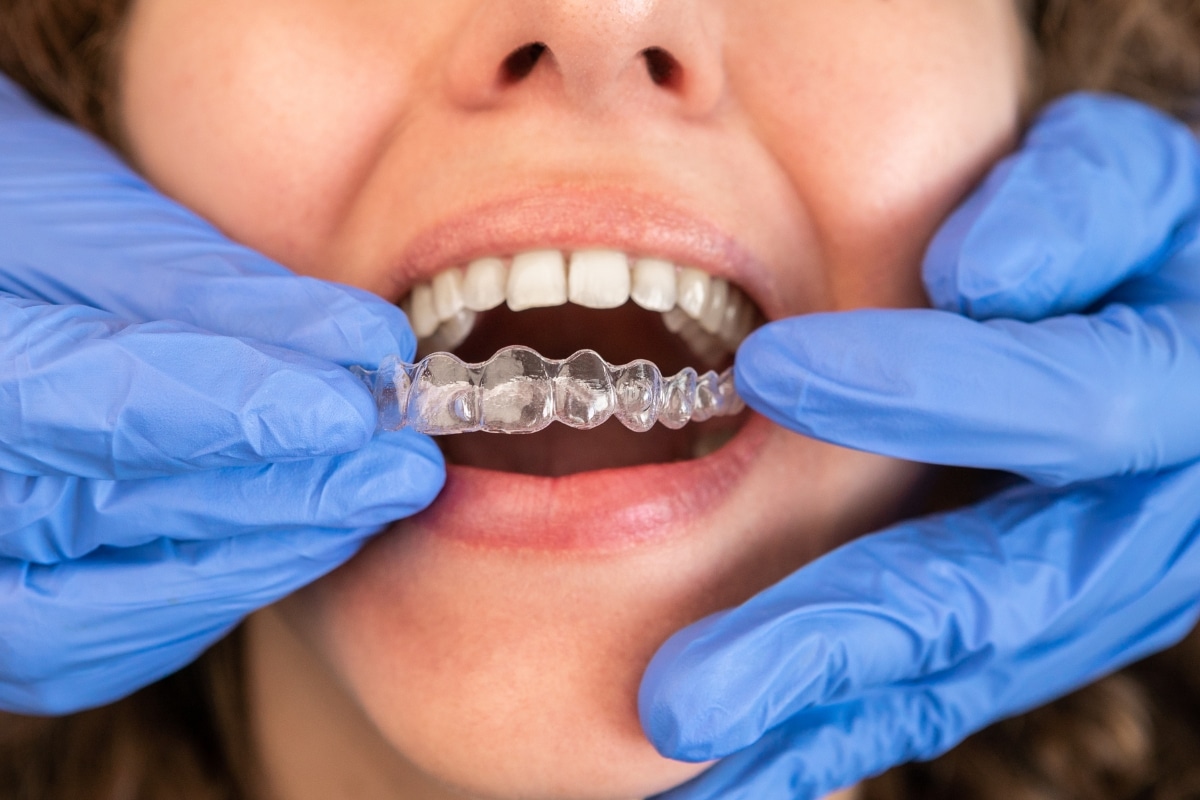
Finishing orthodontic treatment is a real milestone. Your teeth are aligned, your bite feels right, and you’ve put in the time. Then the retainer arrives, and with it, a familiar ache. Some patients barely notice it. Others find it significant enough to wonder whether something has gone wrong.
The short answer is that some soreness is expected. The answer is that not all retainer discomfort is the same, and knowing the difference matters for protecting the results you worked hard to achieve.
Why Retainers Cause Soreness in the First Place
Teeth are not rigidly fixed in the jaw. They’re held in position by the periodontal ligament — a network of connective fibers that runs between the tooth root and the surrounding bone. This ligament is slightly elastic, which is precisely what allows orthodontic treatment to move teeth gradually. It also means that once treatment ends, teeth have a natural tendency to drift back toward their original positions.
Retainers apply just enough gentle pressure to counteract that drift and hold your teeth in their corrected positions. That pressure is what you’re feeling when soreness occurs. Thorough post-orthodontic care in Alexandria accounts for this normal adjustment phase — and helps patients distinguish routine discomfort from signs that something needs attention.
Normal Soreness vs. Something Worth Checking
When Discomfort Is Expected
Mild aching or pressure when you first put the retainer in — especially after a period without it — is clinically normal. The same is true during the first few days of wearing a new retainer or after a retainer has been adjusted. This discomfort typically resolves within a few hours of wearing and should not be intense enough to disrupt eating, sleeping, or daily activity.
The pattern here is temporary and predictable. It corresponds directly to the retainer doing its job: holding position against natural tooth movement. If the soreness is mild, fades after a short period of wear, and has no other symptoms, there is usually nothing to be concerned about.
When Something Feels Off
The discomfort worth paying attention to is of a different character. Soreness that persists long after the retainer has been removed, pain that is sharp rather than pressure-like, localized pain around a single tooth rather than general mild aching, or any gum irritation or sore spots in the soft tissue — these are signs to bring up with your dental provider.
Another signal: if your retainer feels noticeably tighter than usual despite consistent wear, your teeth may have shifted more than expected. This happens when a retainer isn’t worn on schedule, and it’s important to catch it early. Attempting to force a retainer that no longer fits properly can actually damage the teeth and surrounding tissue.
The Most Common Reasons Retainer Soreness Increases
Inconsistent Wear
This is the single most common reason patients experience significant retainer discomfort. Every hour a retainer is out, teeth are subject to the forces that shift them. Missing wear time (even a few nights in a row) allows small amounts of movement. When the retainer goes back in, it has to push teeth back to position, which creates pressure and soreness that wouldn’t have occurred with consistent wear.
The fix is also the prevention: wearing the retainer as your provider recommended. For most patients in the early retention phase, that means nightly wear at a minimum. Your provider will let you know when it’s appropriate to reduce frequency.
A Retainer That No Longer Fits Correctly
Retainers are made to fit your teeth in a precise position at a specific point in time. Over months and years, even small amounts of natural movement, with good retainer habits, can cause a slight mismatch between the retainer and your current tooth positions. This is common and manageable. A dentist who monitors your retention can catch these changes early and recommend a replacement retainer before the fit becomes problematic.
Physical Damage to the Retainer
A cracked, warped, or deformed retainer doesn’t apply force evenly. Instead of distributing gentle pressure across multiple teeth, a damaged retainer may create uneven contact — concentrating force on one or two teeth in ways that weren’t intended. This produces localized soreness that doesn’t follow the usual pattern. If your retainer has visible damage or was accidentally exposed to heat (left in a hot car or cleaned with hot water), it should be evaluated before you continue wearing it.
How to Manage Retainer Discomfort at Home
For routine, expected soreness, a few practical steps make a real difference:
- Wear your retainer consistently. The more regularly you wear it, the less pressure buildup occurs between sessions.
- Put your retainer in at night. Soreness that develops during sleep is less noticeable, and the retainer does its work without interrupting your day.
- Use over-the-counter pain relief if needed. For the first night or two after a new retainer or extended gap in wear, ibuprofen or acetaminophen can take the edge off mild pressure discomfort.
- Keep the retainer clean. Bacterial buildup on a retainer can cause gum irritation that mimics or amplifies pressure soreness. Clean it daily with a soft brush and cool water, and follow your provider’s instructions for deeper cleaning.
- Don’t force a tight retainer. If it won’t seat fully, call your provider before wearing it further.
Soreness from a retainer is your mouth’s way of communicating. Mild and temporary means the retainer is working. Persistent, sharp, or worsening means something needs a closer look. Alexandria Dental Spa accepts new patients for retainer checks and post-orthodontic consultations — whether you finished treatment here or somewhere else. Request an appointment online or call the office to schedule.
People Also Ask
Q1: How long does retainer soreness typically last?
Soreness from consistent retainer wear usually fades within 1 to 2 hours after putting the retainer in. After a break in wear, it may last a bit longer, but it should still resolve the same day. Discomfort that persists beyond that or worsens over time needs professional evaluation.
Q2: Can I switch from nightly to part-time retainer wear on my own?
No. Wear frequency should only be reduced on your provider’s recommendation, based on how stable your teeth have remained. Reducing wear too early — even with the best intentions — is one of the most common reasons teeth shift after orthodontic treatment.
Q3: What happens if I lose my retainer and wait to replace it?
Teeth begin shifting within days without a retainer, especially in the early years after orthodontic treatment. The longer the gap, the more movement occurs. When you get a new retainer made after a delay, it may not fit perfectly and may require a new set of aligners or a revised retainer to return to your corrected position.
Q4: Can a retainer fix minor tooth shifting years after treatment?
A standard retainer is designed to maintain position, not move teeth. If significant shifting has occurred, it may no longer fit properly. Some minor relapse can be addressed with a new retainer made to a repositioned impression, but more meaningful shifting requires a retreatment consultation.